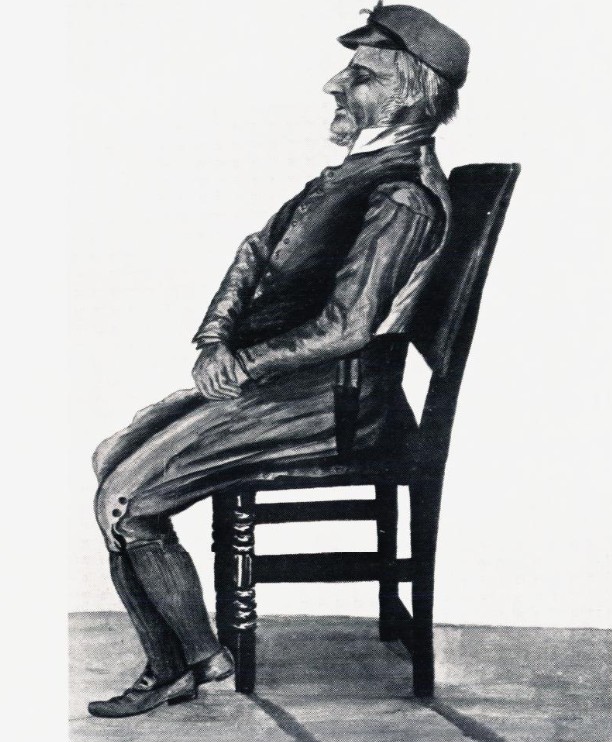
Segner om Villandsætta i Søgnir frå Hallingdal – Legends of the Villand Family in Søgnir frå Hallingdal
av Olav Sataslåtten
Innleiing
Søgnir frå Hallingdal var den første boka som Det Norske Samlaget gav ut. Det nyskipa forlaget hadde sett seg som mål å nå ut til vanlege folk, både i bygd og by, og å gje ut bøker som kunne lesast og forståast av breie lag av folket. Utgjevinga av Søgnir frå Hallingdal kom berre kort tid etter at Det Norske Samlaget formelt vart skipa den 24. mars 1868. Sander Røo hadde ei sentral rolle i arbeidet med boka, og han stod i nær kontakt både med H. E. Berner og Hans Ross. Berner og Ross var blant dei fremste drivkreftene bak etableringa av Samlaget, og Søgnir frå Hallingdal var med på å konkretisere dei idéane dei arbeidde for, slik at dei kunne bli realiserte i praksis.
Boka vart ferdig frå trykkeriet hjå H. E. Larsen i Øvre Slottsgate 16 onsdag 27. mai 1868. Allereie sundag 24. mai stod det ei kunngjering i avisa Dølen om at boka snart ville kome. Forlaget oppmoda medlemmene i byen om å hente boka direkte frå trykkeriet, medan andre kunne få henne tilsend i posten.
I samtida fekk Søgnir frå Hallingdal likevel relativt lite merksemd, og omtale i norske aviser og tidsskrift var avgrensa. Det einaste kjende utdraget som vart trykt att, stod i det svenske tidsskriftet G. K. Hamiltons Nordisk tidskrift för politik, ekonomi och litteratur i 1868. Dette tyder likevel på at boka vart lagt merke til i faglege krinsar. I ettertid har Søgnir frå Hallingdal vorte rekna blant dei klassiske verka i norsk bokhistorie. I 1926 gav Gustav Indrebø ut eit ortografisk opptrykk av boka.
Den tredje utgåva byggjer på fyrstetrykket, men har nokre språklege og typografiske endringar. Teiknsettet er modernisert, slik at berre små bokstavar er nytta i vanlege substantiv, og teksten er delt inn i meir oversiktlege avsnitt for å gjere lesinga lettare. I tillegg er enkelte samansette ord delte med bindestrek, i tråd med seinare rettskrivingspraksis.
Søgnir frå Hallingdal er ei tidleg og sentral samling av munnlege forteljingar frå Hallingdal, slik dei vart fortalde og hugsa i bygdene på 1800‑ og tidleg 1900‑tal. Verket byggjer på innsamla segnmateriale frå ulike delar av dalføret og gir eit bilete av kva bygdefolket sjølv oppfatta som minneverdige hendingar, merkelege personar og forklaringar på stadnamn, naturformasjonar og sosiale normer. Utgjevinga høyrer til den nasjonale innsatsen for å ta vare på folkeminne i ei tid då munnleg tradisjon stod i fare for å forsvinne.
Segnene i boka er forankra i konkrete stader, gardar og menneske, og ligg ofte i grenselandet mellom historisk minne og folkeleg tolking. Dei handlar om sterke menn, farlege situasjonar, uvanlege livslagnader, konfliktar, overnaturlege hendingar og moralske prøvingar, og viser korleis bygdesamfunnet tolka makt, åtferd og grenser for det tillatne. Språket ligg nær talemålet, og forma ber preg av at forteljingane i utgangspunktet var meint å bli fortalde, ikkje skrivne.
Den opphavlege utgjevinga av Søgnir frå Hallingdal skal ikkje lesast som ei historiebok i moderne tyding, men som ei kjelde til forståing av bygdekultur, folketru og sosiale førestellingar i Hallingdal. Samlinga gir verdifull innsikt i korleis menneske i dalen forklarte verda rundt seg, og korleis forteljing vart nytta til å formidle erfaring, åtvaring og identitet frå ei generasjon til den neste.
Teksten er ei omfattande segn- og personhistorisk framstilling av Villandsætta i Hol/Høve, og skildrar fleire generasjonar av ei kjend og frykta ætt, prega av ekstrem styrke, handel, vald, strid og grenselaus åtferd. Segnene knyter ætta både til heilt konkrete historiske hendingar og til mytisk overdrivne trekk.
Forteljinga tek til med Myreguten (Blank-Ola), ein hestehandlar som vart rik gjennom ferdsel nordafjells og handel, men som òg var kjend for rå styrke og valdsame oppgjer. Han drap ein kjempe i sjølvforsvar, betalte seg fri ved tinget, og synte open forakt for styresmaktene. Gjennom ekteskap med Ragnhild frå Villand vart han stamfar til ei rad sterke og stridbare søner.
Vidare skildrar teksten fleire av etterkomarane, særleg Tollaiv Villand, som vert framstilt som den sterkaste og villaste av alle. Segnene om Tollaiv fortel om slåstkampar med kjemper, overmakt mot fleire menn samstundes, mishandling av tenestefolk, konfliktar med brør, drikking, arrestasjon og fangenskap på festning. Samstundes vert han stundom halde att av kvinner i ætta, som set grenser for bruken av vald.
Teksten fortel òg om brørne Torkjell og Svaidn, som viser ulike sider av ætta: Torkjell som klok og rettskyndig lesmann og byggmeister, og Svaidn som rask, sterk og farleg, men til slutt råka av ulukke og livsfall. Svaidn vert benåda frå dødsdom gjennom brorens innsats, men endar fattig og isolert.
Ein stor del av teksten handlar om Knut Annfinnssæt, ein særleg brutal og frykta mann frå ætta, kjend for overgrep mot kvinner og husmenn. Han bind og dreg menneske etter hest, trugar folk til lydnad og skapar redsle i bygda. Likevel vert han fleire gonger stoppa av motstand frå sterke enkeltpersonar. Dødsfallet hans vert skildra som ufredfullt og overnaturleg, og liket hans vert knytt til uro, redsle og førestillingar om at vonde makter tek over etter døden.
Vidare inneheld teksten segner om kvinner i Villandsætta, mellom anna ei Villandsgjente som med styrke og mot tek hemn på menn som har krenkt henne, og ei kone som åleine drar buskapen sin attende frå ein valdeleg nabomann. Desse forteljingane viser at styrke og handlekraft ikkje berre vert knytt til menn.
Avslutningsvis vert det fortalt om seinare etterkomarar som Mette-Elling, Kari-Elling og Sterke Jo, der ættepreget framleis kjem til uttrykk gjennom rå styrke, fryktlause oppgjer og rolle som omreisande handelsfolk og slagskjemper.
Heilskapen teiknar Villandsætta som ei grenseætt i bygdesamfunnet – både beundra og frykta – og segnene fungerer som åtvaring mot rå vald, samstundes som dei stadfestar bygdefellesskapet sine normer gjennom motmakt, inngripen og moralsk dom.
Digitalisert utgåva av gjenutgjevinga av boka frå 1968 boka finst her: https://www.nb.no/items/1508d63e1588aeb3e20aaf1ef8ea4561?page=0&searchText=%22s%C3%B8gnir%20fr%C3%A5%20hallingdal%22
Personoversikt: Villandsætta (Hol / Høve / Ustedalen)
Myreguten – «Blank‑Ola»
Myreguten, kalla Blank‑Ola på grunn av mykje sølv på klede og spenner, var ein tidleg stamfar for ætta og ein velkjend handelskar som dreiv hestehandel nordafjells mot Sogn. Han vert skildra som usedvanleg sterk og frykta, og drap ein kjempe i sjølvforsvar. Etter tinghandsaming betalte han store bøter utan audmjukskap og viste open forakt for rettsautoritetane. Myreguten vart rik, gifta seg inn på Villand, og la grunnlaget for ei ættegrend kjend for styrke og rå framferd.
Myreguten – «Blank Ola»: hendingar med sitat
1) Handel og tilnamn
Hending: Myreguten er kjend som handelskar som fer nordafjells med hest, og får tilnamnet «Blank Ola» fordi han ber mykje sølv på kleda.
«Han handla Gampan norda Fjelle inn, men Sjøno aa vart kalla Blank Ola, fyredi han jabnan gja’kk me myki Sylvglamp aa se, Spennu aa Sylgju.»
2) Drapet på kjempa i Sogndal
Hending: Ein kjempe trugar Myreguten og vil gje han bank eller drepe han; Myreguten slår kjempa i hel av eigen styrke.
«Ain Vaar … kom de ai Kjempe te hono nord i Sogndal aa vilde gjeva hono Stryk ell kann hende drepa han. Myreguten vart de so godt, at han slo Kjempa i hel.»
3) Tinghandsaming og bot – open forakt
Hending: Myreguten vert teken til rette og dømd til bot, men syner open forakt for styresmaktene ved å betale og provosere skrivaren.
«Myreguten vart dømd te aa bøte try tjue, aa Skrivaren sa’de daa ve Tingborde: ‘No sku me faa Sylgjudo nør Bringunna, aa Spennudo nør Skono hass Blank Ola.’»
«Ola rak try tjue i Sylvpe’ing paa Tingborde te Skrivare, aa spurde: ‘kaa myki ait Nevaslag kosta?’»
4) Slaget på tinget
Hending: Etter å ha fått pris på neveslag, slår Myreguten skrivaren ned under tingbordet.
«‘Tie Dalar, min Mann,’ svara Skrivaren. … daa svarpa Ola te hono, so han valt unde Tingborde.»
5) Triumferande ordspel og sjølviscenesetjing
Hending: Myreguten fullfører audmjukinga ved å kaste seg på golvet og uttale ei triumferande strofe om sølvpynten sin.
«Derette skaut Myreguten se paa Golve … aa sa’de: ‘Enno dansar han Blank Ola me Sylvsylgjo sine i Bringunna aa Spennu i Skono.’»
6) Rikdom og hestehandel ved stølen
Hending: Heimkomen sel han hestar og tener store pengar; segna understrekar velstanden.
«Daa Myreguten va komen haim att me Gamposine, sat han paa ain ainaste Stain … aa selde Gampa, som han tente halvfjorde tjue paa.»
7) Ekteskap med Ragnhild Villand
Hending: Myreguten friar og giftar seg inn på Villand; dette gjer han til stamfar for Villandsætta.
«… han vilde fraiste te fri te henne Ragnhild Villand. Detta gjorde han, aa dai voro gifte me korare.
8) Etterkomarar – ætteframhald
Hending: Ekteskapet fører til ei stor barneflokk som vidarefører ættepreget.
«Me Myregute fekk ho Ragnhild fem Bødn, fire Gut aa ai Gjente …»
Kort fagleg tolking
Sitatutdraga viser Myreguten/Blank Ola som arketypisk segnfigur: ekstrem styrke, rikdom gjennom ferdsel og handel, og ei medvite overskriding av autoritetar (tingretten). Forteljinga legitimerer makta hans gjennom fysisk overlegenheit, samstundes som ho etablerer Villandsætta som styrkeætt frå starten.
Ragnhild Villand
Ragnhild var dotter på Villand og kjend for utsjånad og kraft. Ho gifta seg først med Myreguten og fekk fem born. Etter hans død gifta ho seg på nytt og fekk endå fleire søner. Ragnhild vert framstilt som ei sentral ættemor som førte vidare både eigedom, sosial posisjon og ættepreg. Gjennom henne vart Villandsætta stor og dominerande i bygda.
Ragnhild Villand – hendingar med sitat
1) Utsjånad og status i bygda
Hending: Ragnhild vert innleidd som ei uvanleg vakker og stor kvinne, tydeleg utpeikt som ettertrakta og sosialt markant.
«Elling … hadde ei Dotter som aitte Ragnhild; ho va so væna aa so stor, at Huvupaahennenaadde over alle Kvendfolk, naar ho va i Kyrkja.»
2) Frieri frå Myreguten
Hending: Etter å ha vorte rik som hestehandlar, bestemmer Myreguten seg for å fri til Ragnhild Villand.
«Daa Myreguten hadde att vunne se so myki ve Hestehandelesino … kom han paa dai i Vetsmundi’n, at han vilde fraiste te fri te henne Ragnhild Villand.»
3) Ekteskapet
Hending: Friarferda lukkast, og Ragnhild giftar seg med Myreguten og flytter til Villand.
«Detta gjorde han, aa dai voro gifte me korare, aa han fekk me hennar søre Villand.»
4) Born i første ekteskap
Hending: Ragnhild får fem born med Myreguten; dette etablerer hovudgreina i Villandsætta.
«Me Myregute fekk ho Ragnhild fem Bødn, fire Gut aa ai Gjente, aa desse aitte Tollaiv, Elling, Torkjell, Nils aa Margit.»
5) Nytt ekteskap etter Myregutens død
Hending: Etter at Myreguten døyr, giftar Ragnhild seg på nytt og får endå fleire born.
«Myreguten døyde ette noko mange Aar, aa Ragnhild gifte se are gongi me Ola Larsson Fossgarde.»
6) Born i andre ekteskap
Hending: Også det andre ekteskapet fører til ein sterk ættegrein.
«Aa fekk me hono fire Syni, som aitte Lars, Ola, Svaidn aa Knut.»
7) Ættemora for sterke menn
Hending: Teksten understrekar at alle sønene hennar var store, sterke og reiste mykje i handel.
«Alle aatte Synidn hennar Ragnhild voro store aa sterke Kara aa Hestehandlara, aa foro myki umkring.»
8) Rolla som freds- og grensesetjar
Hending: Ragnhild grip direkte inn i vald mellom sønene Tollaiv og Ola og set ei moralsk grense.
«Ho Ragnhild sa’e daa te Tollaiv: ‘Vil du drepa Bror din, so fær du fyst høgge te meg; e hakosta dikk baade tvaa like dyrt.’»
Kort fagleg tolking
Sitatmaterialet viser Ragnhild Villand som tydeleg ættemor og stabiliserande kraft i ei segnverd med ekstrem maskulin vald. Ho er både utgangspunkt for ætta (giftarmål, eigedom, born) og ein moralsk aktør som set grenser for brørvald. Dermed fungerer ho som motvekt til styrkesegnene om sønene, utan å miste autoritet
Tollaiv Villand
Tollaiv vert skildra som den sterkaste og villaste i heile ætta. Han var storvaksen og overmenneskeleg sterk, slo kjemper, kasta tunge reiskapar og skremde heile lag. Samstundes var han valdeleg, drikkfeldig og ute av stand til å styre seg. Han dreiv mishandling, kom i strid med styresmaktene og vart dømd til festningsstraff. Seinare vart han slept laus mot lovnader om betre åtferd, men heldt fram som frykta bygdeskikkelse. Tollaiv står som eit hovudsymbol på grenselaus maskulin makt utan sjølvkontroll.
Tollaiv Villand – hendingar med sitat
1) Ekstrem storleik og fysisk styrke
Hending: Tollaiv vert introdusert som uvanleg stor og sterk, større enn vanlege karar.
«Tollaiv va tryaa Alni aa tvaa Tumma høg, aa so væl vaksen som nokon Kar kunna vera.»
2) Slåstkamp med kjempe på setra
Hending: Tollaiv møter og slår ein kjempe i bryting, og vinn ved rå styrke.
«… rendedai over Ryggen paa korare aa trega brytast … men teslutte fekk Tollaiv Jalkarfanten paa Langape attende …»
3) Kongsberg-marknaden – audmjuking av kjempe
Hending: På marknaden nektar Tollaiv å bli lurt i hestehandel og slår kjempa brutalt.
«… Tollaiv tok daa Kjempa aa svarpa ho te paa ai Kjellarhurd, so ho brast inn.»
4) Familievald – mora stansar brordrap
Hending: Konflikt mellom Tollaiv og halvbroren Ola; mora Ragnhild stoppar valdshandlinga.
«Ho Ragnhild sa’e daa te Tollaiv: ‘Vil du drepa Bror din, so fær du fyst høgge te meg; e hakosta dikk baade tvaa like dyrt.’»
5) Overgrep mot mora – grenselaus vald
Hending: Trass åtvaring vender Tollaiv vald mot mora.
«Tollaiv bøgde Øxe i Hurde fyr aa hebne sin Harm, aa skuvde Mor si baklengis neover Stuguhella …»
6) Arrestasjon og ferd til festninga
Hending: Myndigheitene tek affære; Tollaiv vert overmanna og ført bort.
«… alle sju Kjempu’n sot umkring Huse … toko Armadn hass aa la’e paa Mjaaryggen aa bakbundo han me ait Tog.»
7) Lauslaten – prydplagg og falsk endring
Hending: Etter år på festninga vert han slept laus mot lovnader; han får prydutstyr.
«… sleppte Kummedanten han laus haimatte … han fekk daa paa se hjaa Kummedante ai gamal Sylatermundering.»
8) Vald på herberge – fingerbrot
Hending: I kortspelssamkome skadar Tollaiv ein kjempe grovt.
«… heilt ho neder aa slait Langefingen hailt upp taa hono aa ut or Høndenn hass.»
9) Skremsel av spelarlag – einevald mot mange
Hending: Tollaiv driv eit heilt lag på flukt.
«Tollaiv raiv alle hine ut or Stugunn, so dai toko Laupe upp i noko Bergskortu tett ovafyre.»
10) Syn av overnaturleg motstandskraft
Hending: Han vert åtaka (steinkasting, etterfølgjing), men let seg ikkje stogge.
«… kaga framat me Skallo aa spronte ette hono, likesom Gjaitanaar …»
11) Maktprov i drikkelag – kasting av kubbestol
Hending: Under drikkelag lyfter og kastar Tollaiv ein svært tung stol.
«Sograip han Stolen i ai Hondo aa kasta han lukt i Møningsaasen paa Stugunn.»
12) Styrkeoppvising – arm mot bord
Hending: Han viser «stålarm» ved å bøye inventar.
«… rak den aine Armen unde Midten paa Borde … so Stugu skolv.»
13) Valdeleg konfrontasjon ved bryllaup
Hending: I bryllaup set Tollaiv ein brått stan av slagsmål og driv folk ut.
«… tok han ve Hest aa Tauma taa Gute aa sette fe i Sle’en …»
Kort fagleg tolking
Utdraga teiknar Tollaiv Villand som ekstrem styrkefigur utan sjølvkontroll: han vinn mot alle, men overskrid både rett og familiebånd. Segnene nyttar han som åtvaringsskikkelse—rå makt bryt fellesskapet—samstundes som dei dyrkar fysisk overlegenheit som ætteprestisje.
Torkjell Villand
Torkjell skil seg tydeleg frå dei fleste brørne. Han vert skildra som klok, roleg og rettskunnig, lesmann og ein som førte saker på tinget. Han var òg ein dyktig byggjar. Torkjell nytta styrke berre når det trongst, og redda mellom anna broren Svaidn frå dødsdom. Han representerer den fornuftige og samfunnsberande sida av ætta.
Torkjell Villand – hendingar med sitat
1) Klokskap og omdøme
Hending: Torkjell vert skildra som den klokaste av brørne, meir styrt av fornuft enn vald.
«Torkjell va den klokaste taa alle aatte Brøro.»
2) Lesmann og rettskyndig
Hending: Han hadde høg sosial posisjon som lesmann og førte saker på tinget.
«Han va Lesmann nede a Skogene, aa kunna so myki, at han førde Saki paa Tingi.»
3) Byggmeister
Hending: Torkjell vert framheva som ein dyktig handverkar og byggjar.
«Han va gild te aa byggje Hus, aa dai knota hansjøl fint ut.»
4) Avgrensa bruk av vald
Hending: I motsetnad til brørne søkjer han sjeldan slagsmål, og brukar vald berre når naudsynt.
«De va sagt um han, at han inki kjempast ofto, kan hende fyredi han vilde halde se paa storvis.»
5) Snøgg og presis straff på tinget
Hending: Når han vert provosert av ein brå og ufin mann, svarar han raskt og effektivt.
«Han tak daa teslutte Vraiski tese, aa svarpa te hono me Kvasskanten paa Høndenn, so Fantin fylgde Neva paa Galden.»
6) Moralsk irettesetjing
Hending: Etter slaget nyttar Torkjell ord til å stadfeste rett og skuld.
«No saag du, de gikk som e sa’e fyre aat.»
7) Redninga av broren Svaidn
Hending: Torkjell grip inn for å redde Svaidn frå avretting.
«Torkjell hadde nok ve sine Sløngi faatt Bror sin gjort ufre’ug i Sta’en fyri aa rettast.»
8) Bodskap om liv og nåde
Hending: I fengselet gjev han broren bod om at livet vert spart.
«No ska du faa leva, Bror!»
Kort fagleg tolking
Torkjell Villand står fram som motstykket til dei mest valdelege brørne i Villandsætta. Gjennom sitata vert han teikna som ein mann med rettskjensle, sosial kontroll og moralsk autoritet, som nyttar både ord og handling for å halda balanse i eit miljø prega av rå styrke. Han representerer den sida av ætta som integrerer makt i samfunnsorden, heller enn å sprengje henne.
Svaidn Villand
Svaidn var den nest sterkaste etter Tollaiv, snjell, rask og kjend for rå fysisk dugleik. Han hamna ofte i konflikt og vart til slutt innblanda i ei valdshending som førte til drap. Trass i dødsdom vart han benåda etter innsats frå Torkjell. Etter dette levde han eit fallande liv i utkant og døydde fattig og isolert. Svaidn står som døme på korleis styrke utan styring fører til sosial undergang.
Svaidn Villand – hendingar med sitat
1) Fysisk styrke og dugleik
Hending: Svaidn vert framstilt som ein særs sterk og rørslenem kar, den sterkaste i ætta etter Tollaiv.
«Svaidn va den sterkaste taa Brøro ette hono Tollaiv.»
2) Raskleik og atletisk evne
Hending: Han er kjend for snøggleik og smidige rørsler som ingen annan i bygda.
«Han va snjellføtt aa so sløngin, at han skulde orka springe i Spranghopp me jamte Føta full Hest.»
3) Jolegjesting og krenking
Hending: Under jolegjesting hjå Tufto vert Svaidn audmjuka gjennom medviten skjemt.
«Kjeringi … la paa eit Tre ‘Borddisk’ de snaue taa Mula aa ait Brøhaug attve, … paa Aasvaimo.»
4) Vald mot verten
Hending: Etter krenkinga går Svaidn laus på verten i sinne.
«Svaidn graip han Ola umkring Barkakyla … so de va ljøtt te sjå, naar berrede Kvite visste i Augo.»
5) Trugsmål med skytevåpen
Hending: Vertens hemn vert forsøkt gjennom skytevåpen, men Svaidn vert berga.
«Tuften flaug burt paa Veggen aa tok ein Drakonpistol, som va ladd, aa vilde skjøte te Bror sino.»
6) Isolasjon etter striden
Hending: Etter hendinga bryt Svaidn med slekta og ferdast åleine.
«Svaidn forlet Verdskape taa Vraiski te Bror sino, aa sette te Haimvegs me Hug aa Skrik.»
7) Drap i slagsmål
Hending: I ein seinare konflikt drep Svaidn ein mann, sjølv om han freistar å stogge situasjonen.
«Kniven gjekk baint i Livaare paa hono … so han i hel bløddese.»
8) Fengsling og dødsdom
Hending: Etter drapet vert Svaidn fengsla og dømd til døden.
«Svaidn vart tikinaa førd te Sundre … aa alle try aa Domadn avsa’e han ve Live.»
9) Benåding ved brorens innsats
Hending: Torkjell grip inn og hindrar avretting i siste augeblink.
«No ska du faa leva, Bror!»
10) Livsfall og einsemd
Hending: Etter lauslating lever Svaidn isolert og fattig.
«Han budde stundom uppi Aaso paa Stølo som ain Ainbuar.»
11) Død i utkant
Hending: Svaidn endar livet sitt borte frå slekt og makt.
«Teslutte døydde han i ait Eldhus paa søre Mørk i Holssokne.»
Kort fagleg tolking
Svaidn Villand vert teikna som ein tragisk styrkefigur: naturleg dugleik og fysisk overmakt, men utan den moralske styringa som kunne ha gjeve sosial berekraft. I motsetnad til Torkjell klarer han ikkje å finne ei rolle der styrka kan tene fellesskapet, og livet hans endar i vald, isolasjon og fall. Segnene om Svaidn fungerer som ei åtvaring mot utemja kraft utan refleksjon.
Knut Annfinnssæt
Knut Annfinnssæt vert framstilt som den mest brutale og farlege personen i tekstmaterialet. Han var berykta for overgrep, mishandling av kvinner og husmenn, og for å binde og dra folk etter hest. Annfinnssæt vart frykta av alle, og fleire episodar syner korleis bygdefolk og einskildpersonar grip inn for å stoppe han. Dødsfallet hans vert skildra som uroleg og overnaturleg, og liket hans skapar redsle. Han er ei tydeleg åtvaringsskikkelse i segntradisjonen.
Knut Annfinnssæt – hendingar med sitat
1) Rykte som særleg illgjerningsmann
Hending: Knut Annfinnssæt vert straks karakterisert som den verste av alle brørne, frykta av folk.
«Han va ain ill Mann aa umgaa … Folk fea, at han va den aller verste taa Brøro.»
2) Uhaldleg samfunnsdeltaking
Hending: Han kan ikkje ta del i vanleg samvære utan å skape strid.
«Han kunna inki koma i noko Samvære, uta han maatte alke aa tjaame hine fyr aa koma te aa slaast.»
3) Overgrep mot kvinner – bortføring
Hending: Annfinnssæt prøver å tvinge ei kvinne til å følgje seg, bind henne og dreg henne etter hest.
«Hangraip te henne aa drog ho ned te Aa’nn, aa der batt han ho i Hesterova.»
4) Brutal ferd gjennom bygda
Hending: Kvinna vert slept etter hesten over lang veg, i livsfare.
«Solaise drogh han ho me se paa Aakrenhjaa se sjøl.»
5) Overgrep mot husmann
Hending: Han gjer det same mot ein husmann som ikkje vil lyde han.
«Hangraip hand aa førde han me se ned te Aa’nn … aa solaise vart han førdradt.»
6) Avsløring og inngripen
Hending: Ein annan mann grip inn, løyser fangane og set grenser.
«Han tok upp Kniven, skar av Bande aa let Stakkaren faa Foten te vare.»
7) Mishandling stogga med motvald
Hending: Annfinnssæt vert sjølv nedkjempa og jaga bort.
«Aailiv tok han aa snudde upp ne paa hono, so Føtadn svara imot Møningsaasi aa Skallin imot Golve.»
8) Trugar kvinner på stølen
Hending: På stølen prøver han på nytt å tvinge ei kvinne.
«Han fata ho i Hædnaa aa drogho ette Flettone ned te Aa’nn.»
9) Bror som set grense
Hending: Broren Elling reagerer kraftig på handlingane hans.
«Elling let daa um, at slikt Illmenne, som han va, vist maatte faa ain Udau’e.»
10) Valdeleg brøroppgjer
Hending: Knut og Elling kjem i blodig slagsmål.
«Brøradn sloost, te dai vorto vel trøytte.»
11) Ufredfull død på reise
Hending: Annfinnssæt vert sjuk på handelsreise og døyr under uvanlege og urolige omstende.
«Annfinnssæten tok te aa bli klenare aa klenare.»
12) Liket knytt til uro og vonde makter
Hending: Etter døden vert det opplevd ufred rundt liket, som vert tolka som overnaturleg.
«Dai tvelta fyre, at den Vonde hadde tiki Lekome.»
13) Nekta kyrkjeleg gravferd
Hending: Presten nektar å jordfeste han.
«Dai kom te Preste aa spurde, um han vilde kaste Jord paa han, men Presten naikkade.»
14) Gravlagd utan kyrkjeleg rite
Hending: Liket vert gravlagt av lekfolk.
«Dai sette Likine i aa jardade sjølve der.»
Kort fagleg tolking
Knut Annfinnssæt vert framstilt som ei rein åtvaringsskikkelse i Villandssegna. Han bryt systematisk alle grenser: sosial samhandling, kvinnefred, gjestfridom og ættelojalitet. I motsetnad til andre sterke menn i ætta manglar han både sjølvkontroll og korrigerande band til fellesskapet. Difor endar han isolert, nekta kyrkjeleg jordfesting og knytt til vonde makter også etter døden. Segnene om Annfinnssæt fungerer tydeleg normativt: rå styrke utan moral gjev utestenging, ikkje ære.
Elling Villand
Elling, bror til Annfinnssæt, vert skildra som hard og valdeleg, men likevel stundom reagere på brorens mest groteske handlingar. Han står i fleire konfliktar, mellom anna alvorlege slåstkampar med broren, men overlever og lever lenge etter Annfinnssæt. Elling representerer eit rått ættepreg, men mindre grenselaust enn Knut.
Elling Villand – hendingar med sitat
1) Ein av sønene til Ragnhild
Hending: Elling vert introdusert som ein av sønene i Villandsætta, fødd inn i ei sterk og dominerande ætt.
«Me Myregute fekk ho Ragnhild fem Bødn, fire Gut aa ei Gjente, aa desse aitte Tollaiv, Elling, Torkjell, Nils aa Margit.»
2) Kraft og framferd
Hending: Elling vert skildra som ein mann av same rå type som fleire av brørne, med hardt lynne.
«Elling va ain like so ill Mann i alle Maata, men han kløkk taadessa Syne.»
3) Reaksjon på overgrep
Hending: Etter at Knut Annfinnssæt har mishandla ei kvinne, reagerer Elling med avsky og handlar.
«Elling gikkut, aa daa sto Hesten uta Dydn me Kjeringi i Rovunn.»
4) Grensesetjing mot broren Knut
Hending: Elling iretteset Knut Annfinnssæt for grov åtferd og meiner han fortener straff.
«Elling let daa um, at slikt Illmenne, som han va, vist maatte faa ain Udau’e.»
5) Ope fiendskap mellom brør
Hending: Konflikten mellom Elling og Knut utviklar seg til open og farleg strid.
«Knut tjakapa me hono, aa Elling let daa um, at slikt skulde hevnast.»
6) Valdeleg brorslagsmål
Hending: Brørne kjem i eit blodig oppgjer som varer lenge.
«Brøradn sloost, te dai vorto vel trøytte.»
7) Alvorleg skade
Hending: Elling vert hardt skadd under slagsmålet.
«Elling hadde faatt flaire Knivstyngi, so at dai maatte bera han i ain Karmsø att te Villand.»
8) Uvanleg overleving
Hending: Trass i skadane overlever Elling og lever vidare i mange år.
«Men han levde mange Aar der ette, aa ette at Annfinnssæten va dau.»
9) Seinare vurdering av broren
Hending: Etter Knut Annfinnssæt sin død vert det knytt ufred og vonde krefter til han, noko Ellings haldning indirekte stadfestar.
«Folk tvelta fyre, at den Vonde hadde tiki Lekome.»
Kort fagleg tolking
Elling Villand framstår som ein mellomfigur i Villandsætta. Han deler mykje av styrka og hardleiken til brørne, men skil seg ut ved å reagere moralsk på Annfinnssæt sine overgrep. Samstundes tyr han sjølv til vald, og konflikten mellom brørne vert så brutal at han nesten kostar livet. Elling representerer ei overgangsrolle: sterk, valdeleg og frykta, men framleis bunden av ei viss rettskjensle som gjer at han set grenser der andre går for langt.
Villandsgjenta
Ei namngjeven Villandsgjente vert skildra som sterk, rådsnar og handlekraftig, på line med mennene i ætta. Ho tek hemn på gutar som har krenkt henne, leiar åtak og driv motstandarar på flukt. Seinare som gift kvinne viser ho same styrke når ho einsleg hentar att buskap frå ein valdeleg nabomann. Ho syner at styrke i Villandsætta òg hadde kvinnelege uttrykk.
Villandsgjenta – hendingar med sitat
1) Uvanleg styrke og kroppsleg framtoning
Hending: Villandsgjenta vert skildra som stor, sterk og ferdig som ein kar, og vert samanlikna direkte med ein kjempe.
«De va ai Gjente taa Villandsættenn, som va væn, stor aa ferdig som den nettaste Kar aa sterk som ai Kjempe.»
2) Krenking og skjult raseri
Hending: Nokre gutar har skrytt av eit nærgåande tilhøve til henne; dette vekkjer sinne og trong til hemn.
«De hende se so, at noko Guta hadde kykta taa dai nære Kjennskape, som dai hadde me dai væne Villandsgjentunn.»
3) Planlagt hemn
Hending: Gjenta og systkina hennar legg ein klar plan for å ta att krenkinga.
«Dai samlagase, at dai skulde raise fyre aa or Stime aa leggja se i Veg fyr Gutome.»
4) Overfall med rå styrke
Hending: Når gutane kjem, går Villandsgjenta og dei andre til åtak med kubbar.
«No flugo Gjentudn ende upp aa te sløngje Kubbe ette Kubbe paa Gutadn.»
5) Open triumf
Hending: Villandsgjenta gjer hemnen eksplisitt med ord.
«No skude faa taa Kubbovaare, Kara!»
6) Gutane driven på flukt
Hending: Overfallet endar med full siger; gutane flyktar i panikk.
«Solaise gavo dai Skjuss radt aat Granngørdo i fullt tanande Sprang.»
7) Seinare liv – som gift kvinne
Hending: Villandsgjenta vert seinare gift og lever som budeie og stølskone.
«Denne Villandsgjenta vart sainare Kjering, aa daa hende de ai gong, at ho sat paa ain Støl.»
8) Buskap stolen av valdeleg nabomann
Hending: Ein kjend kjempe tek buskapen hennar og driv han bort.
«Denne Kjemp paa Tufto va daa so uvyrden, at han tok haile Buskapen aa draiv han burt.»
9) Sjølvstendig motaksjon
Hending: Trass åtvaringar rir Villandsgjenta aleine etter buskapen.
«Mor hass svara: ‘Aagrat inki vesle Tollaiv … aame’a fær e snøggje me hellest te.’»
10) Styrkedemonstrasjon framfor fienden
Hending: Ho utfordrar kjempa direkte med kast og kroppsstyrke.
«Daa tok Kjeringi te aa gjera Rundkast so høgt aa stødt som den beste Kar.»
11) Full siger utan vald
Hending: Kjempa vågar ikkje møte henne; ho vinn utan kamp.
«Han torde ki hækjese ut te henne.»
12) Heimføring av buskapen
Hending: Villandsgjenta driv buskapen trygt heim att.
«No æ’ e daa komen att me Kydno mine.»
13) Etterspel – vald mot baktalar
Hending: Seinare slår ho ei kvinne som har baktalt henne grovt.
«Hograip ho aa kruste ho unde se paa Bu’a Tufte … so ho fekk Mjærm helte!»
Kort fagleg tolking
Villandsgjenta vert framstilt som eit unntak og motbilete til tradisjonelle kjønnsroller i segnmaterialet. Ho deler ætta si fysiske styrke og råskap, men brukar henne målmedvite og legitimt: først til hemn mot krenking, sidan til vern av eigen eigedom og ære. I motsetnad til fleire menn i Villandsætta fører handlingane hennar ikkje til sosial utstøyting, men stadfestar snarare retten til motmakt. Ho står som eit tydeleg døme på at segnene også rommar kvinneleg handlekraft og autoritet.
Mette‑Elling
Mette‑Elling var ein stor og sterk mann, kalla opp etter mora Mette. Han vert skildra som frykta slagsmann som slo embetsfolk og braut seg veg gjennom konfliktar. Han stod til skriftemål og straff fleire gonger, og segnene nyttar han til å framheve både ætteprestisje og faren ved rå styrke.
Mette‑Elling – hendingar med sitat
1) Namn og opphav
Hending: Han vert kalla Mette‑Elling etter mor si, Mette, og vert tidleg presentert som svært stor og sterk.
«Elling Ellingsson va den støste aa sterkaste. Mor hass va eit Nordmann‑kvendfolk som aitte Mette, aa difyr vart han kalla Mette‑Elling.»
2) Samantrefning med offiser (Lossius)
Hending: Mette‑Elling kjem i konflikt med ein offiser under ferdsle, noko som raskt utviklar seg til vald.
«Lossius slo te hono, aa Elling sa’e: ‘Slær du mair, so slær e att.’»
3) Valdeleg gjengjelding
Hending: Då offiseren slår att, slår Mette‑Elling han overende med eit kraftig slag.
«Lossius slo te hono atte, aa so svarpa Elling te Lossius, so at han stupte ne me Sle’e.»
4) Straff og offentleg prøving
Hending: Som følgje av slåsskampen vert Mette‑Elling sett til straffearbeid og vist fram offentleg.
«Daa Elling se’a vart skrivin, maatte han springe Spaisrote paa Tannbergmoe.»
5) Sjølvhevding framfor publikum
Hending: Under straffa viser han medvite styrka si framfor folket.
«‘Aakanski e lyt gaa igjøno Herkehorgi ai Vende te, so dai faa sjaa alle dessa væne Fyrkjud’n.’»
6) Mora grip inn
Hending: Mora Mette forsøker å mildne straffa ved å skjenkje soldatane.
«Ho Mette Mor hass var me paa Tannbergmoe aa kjøpte ei Tunne Brennevin aa skjenkte Sylatero.»
7) Reise med syster og nytt slagsmål
Hending: Seinare kjem Mette‑Elling og systera Kari i strid under reise i framand bygd.
«Mette‑Elling, som va bra’ast, trotta inki dette … flaug so upp aa graip ein Stain i Paisgruvunn.»
8) Brutalt steinkast
Hending: Han slår ein mann med stein, med alvorleg resultat.
«Aa slarka te Manne paa Kjaken, so Kjøtesvade paa Kinnbaine aa Kjakin hekk ne paa Bringa.»
9) Frykt og flukt
Hending: Etter overfallet tør ikkje dei skuldige vise seg offentleg på fleire døgn.
«Derme tokodai te Laups paa Skogenaa aa torde inki hækjese fram paa Vegjen paa haile tvaa Døgre.»
Kort fagleg tolking
Mette‑Elling vert framstilt som ein klassisk slagsmannsskikkelse i Villandssegnene: enorm fysisk styrke, låg terskel for vald og open konfrontasjon med autoritetar. Samstundes viser segnene ei viss balansering gjennom offentleg straff, mora si inngripen og sosial frykt etter overgrepa. Figuren tener både som ættehevdar og åtvaring – styrke skaper ry og redsle, men fører også til straff og utanforskap.
Kari‑Elling
Kari‑Elling, syster eller slektning frå same grein, framstår som ei kvinne med temperament og handlingskraft, som ikkje nøler med vald når ho vert utfordra. Ho er ein del av forteljingar som understrekar at Villandsætta var ei ætt der også kvinner kunne vere aktørar, ikkje berre offer.
Kari‑Elling – hendingar med sitat
1) Slektstilknyting
Hending: Kari‑Elling er syster til Mette‑Elling og høyrer til same sterke grein av Villandsætta.
«Elling aa systkinbaande hass, som kallast Kari‑Elling …»
2) Reise nordafjells i handel
Hending: Kari‑Elling reiser saman med broren på handelsferd utanfor Hallingdal.
«Elling aa systkinbaande hass, som kallast Kari‑Elling, foro me noko Handelsgrai’e i Vestbygdo her burta fyr Hallingdal.»
3) Overnatting hjå framande
Hending: Under reisa tek dei inn hjå framande folk og sit ved eldstaden.
«Dai lomo inn paa ai Stelle, aader føngodai Lov taa Kjeringenn aa taka ei Panne te aa staikje Kjøt.»
4) Krenking og trakassering
Hending: Husbonden kjem heim og tek til å skjelle ut gjestene grovt.
«Mannen … kom daa haimatte aa va noko gryte aa illskjen i Huse ve Ly’ensin.»
5) Kari‑Elling set grense
Hending: Kari‑Elling reagerer kraftig på krenkinga og tek fysisk affære.
«Kari‑Ellings sa’e te hine: ‘Du e daa stødt ein Tremens Gap.’»
6) Valdeleg motangrep
Hending: Ho slår mannen hardt med stein.
«Ho flaug so upp aa graip ein Stain i Paisgruvunn aa slarka te Manne paa Kjakin.»
7) Brutalt resultat
Hending: Slaget gjev alvorlege skadar.
«So Kjøtesvade paa Kinnbaine aa Kjakin hekk ne paa Bringa.»
8) Frykt og flukt
Hending: Etter hendinga vågar ikkje Kari‑Elling og broren vise seg offentleg.
«Derme tokodai te Laups paa Skogenaa aa torde inki hækjese fram paa Vegjen paa haile tvaa Døgre.»
9) Ikkje meir høyrt frå offeret
Hending: Etter overfallet vert mannen aldri meir omtala.
«Aadai hoyrde aldri mair giti koss de gjekk me Manne.»
Kort fagleg tolking
Kari‑Elling er ei sjelden, men tydeleg kvinneleg valdsskikkelse i Villandssegnene. Ho opptrer ikkje i ei passiv eller tilbaketrekt rolle, men reagerer direkte og brutalt på krenking. I motsetnad til fleire mannsfigurar er handlinga hennar reaktiv og grensemarkerande, ikkje søkjande etter konflikt. Slik vert Kari‑Elling ståande som eit døme på at ære, grenser og styrke ikkje var reint mannlege domene i segntradisjonen knytt til Villandsætta.
Sterke Jo
Sterke Jo høyrer til den seinare ættesoga og fører vidare ryet om uvanleg styrke i Villandsætta. Han vert omtala i kortare episodar som stadfestar at ættepreget held fram over generasjonar, særleg i møte med framande og i handels- og slagsmålssituasjonar.
Sterke Jo – hendingar med sitat
1) Namn og ry for styrke
Hending: Sterke Jo vert introdusert nettopp gjennom ryet sitt som ein særs sterk mann.
«Um Sterke Jo aa Kari‑Elling.»
2) Reise nordafjells i handel
Hending: Sterke Jo ferdast som handelskar saman med Kari‑Elling og andre, nordafjells med fe.
«De va ain Vaar han Kari‑Elling aa systkinbaande hass han Ola Ellingsson nørdre Villand raisten nordum Fjelle aa inn me Sjøpolloder fyr aa handle Fenaa.»
3) Møte med arbeidsfolk
Hending: På reisa møter dei eit lag arbeidsfolk med hest og slede.
«Dai foro framum ain Dungi Arbaisfolk, som hadde Hest aa kjoyrde me.»
4) Provokasjon og uhell
Hending: Ein av arbeidskarane er hardhendt og skapar ugangspunkt for konflikt.
«Ain taa Arbaiaro va stoyreful taase, aa me’a hans snudde Hesten, hadde han hunsa aat aa sløngde Sle’a mai’en inn paa Okla hass Ola Villand.»
5) Sterke Jo grip inn
Hending: Sterke Jo reagerer på det som skjer, og situasjonen utviklar seg raskt.
«Hin Mugin stod aa gapte paa dai.»
6) Slagsmål med ovsterk kjempe
Hending: Ein særleg sterk mann frå arbeidslaget går laus på følgjet.
«Dai hadde i Fyrienda ai ovsterk Kjempe, som fall aft Sterkexgo.»
7) Kamp mann mot mann
Hending: Slagsmålet vert direkte og brutalt.
«Han gauv radt i Hædna paa Elling Villand, aa dai testukke Huse rundt ette Hædno.»
8) Alvorleg skade
Hending: Kampen fører til at ein av Villand‑mennene hamnar i uvit.
«So han valt vi’openaat Bakka aa laaga aa gidda i Uvit.»
Kort fagleg tolking
Sterke Jo framstår som ein klassisk styrkefigur i den seinare delen av Villandssegna. Han er mindre individualisert enn Tollaiv eller Knut Annfinnssæt, og fungerer meir som ætteberar enn som sjølvstendig hovudperson. Gjennom konfrontasjonen med framande arbeidskarar stadfestar forteljinga at ryet om Villandsætta si styrke held fram, også i møte med utanbygds folk. Sterke Jo representerer dermed kontinuiteten i segnkrinsen: styrke, ferdsel og konflikt som faste trekk.
Samla vurdering
Villandsætta vert gjennom personsegner framstilt som ei styrkeætt på grensa av det tillate, der enkelte individ balanserer mellom samfunnsnytte og samfunnsøydelegging. Nokre (særleg Torkjell) fungerer integrerande, medan andre (Tollaiv og Annfinnssæt) fungerer som negative døme og åtvaringar.
Lars Reintons forståing av segnstoffet
Lars Reinton si bok Villandane. Ein etterrøknad i norsk ættesoge kom ut i 1939, som Reintons doktoravhandling, og tek for seg Villandsætta i øvre Hallingdal med eit særleg blikk for samspelet mellom munnleg tradisjon, segnstoff og skriftlege historiske kjelder. I dette arbeidet kombinerer Reinton bygdesegnene med grundige studiar av tingbøker og arkivmateriale frå 1600‑ og 1700‑talet, og verket står i dag som eit sentralt bidrag til både norsk ættehistorie og lokalhistorisk forsking
Nedanfor følgjer ei samla, fagleg analyse av Villands‑segna og dei tilknytte personforteljingane, sett opp mot Lars Reintons forståing av segnstoffet, særleg om sterke menn, valdsfigurar og bygdesamfunn.
Forteljingane om Villandsætta kan med stort utbyte tolkast i lys av Lars Reintons analyse av segnstoffet, der han legg vekt på at segner ikkje først og fremst er underhaldning, men kollektive tolkingar av makt, normer og avvik i bygdesamfunnet. Reinton peikar på at segnene undersøker kva slags menneskeleg kraft som er naudsynt, kva slags kraft som er farleg, og korleis fellesskapet reagerer når grensene vert brotne. Dette perspektivet synest særleg treffande i møte med Villands-segnene, som krinsar rundt fysisk styrke, vald, sosiale grenser og reaksjonar frå bygda.
Villandsætta vert gjennom fleire generasjonar framstilt som ei styrkeætt, der fysisk dugleik og makt vert sett høgt. I Reintons perspektiv er den sterke mannen ein tvitydig figur: han kan vere til nytte for bygda gjennom vern, ferdsel og handel, men han kan òg vere ei kjelde til uro dersom styrka ikkje vert kontrollert. Myreguten, også kalla Blank Ola, er eit døme på ein sterk mann som i hovudsak vert tolerert og akseptert. Han nyttar vald mot ein framand kjempe, han utfordrar autoritetar på tinget, og han opptrer respektlaust overfor skrivar og rettsvesen. Likevel vert han ikkje utstøytt. I Reintons tolking kan dette forklarast med at styrka hans tener fellesskapet indirekte gjennom handel, rikdom og ætteetablering. Han tøyer grensene, men bryt dei ikkje fullstendig.
Denne balansen vert derimot broten hos Tollaiv Villand. Tollaiv viser mykje av den same rå styrka som Myreguten, og så lenge han nyttar henne i konkurranse med framande eller i fysiske kraftprøvar, vert han akseptert. Når valdshandlingane går inn i familien, og særleg når han vender vald mot mora, går han over ei grense som bygdesamfunnet ikkje toler. Reinton peikar på at segner ofte markerer skiljet mellom legitim og illegitim styrke nettopp gjennom slike brot på nære relasjonar. At Tollaiv vert arrestert og ført til festning, viser korleis fellesskapet grip inn når den indre ordena vert truga.
Svaidn Villand representerer ein annan variant av den sterke mannen, nemleg den tragiske skikkelsen. Han er snøgg, fysisk dugande og høgt respektert, men manglar evna til å styre konfliktsituasjonar. Då han drep ein mann, vert han dømd til døden, og berre takka vere broren Torkjell vert straffa omgjord. Etter dette glid Svaidn ut av fellesskapet og endar i einsemd og fattigdom. I lys av Reintons analyse syner dette at bygda ikkje nødvendigvis straffar vald med vald, men heller med sosial nedkjøling og marginalisering.
Motstykket til desse figurane er Torkjell Villand, som tydeleg svarar til det Reinton framhevar som normberaren i segnene. Torkjell er klok, rettskyndig og ein som fører saker på tinget. Han nyttar vald sjeldan, og då berre som siste utveg. Samstundes grip han aktivt inn for å redde broren Svaidn frå avretting. Torkjell representerer fellesskapet si indre regulering av makt, og segnene løfter fram at styrke vert verdifull først når ho vert underordna fornuft, rett og ansvar.
Knut Annfinnssæt utgjer det meste ytterleggåande grensetilfellet i segnmaterialet. Han nyttar vald systematisk mot kvinner, husmenn og slekt, han bryt gjestfridom, stølsskikk og sosial lojalitet, og han viser inga evne til sjølvkontroll. Reinton peikar på at når samfunnsnormene ikkje lenger strekk til, vert slike figurar demoniserte i segnene. Dette viser seg tydeleg i måten Annfinnssæt ikkje berre vert straffa i livet, men også nekta kyrkjeleg jordfesting etter døden. Ufred og overnaturlege element tek over der det sosiale rammeverket bryt saman, og forteljinga markerer ei endeleg utstøyting.
Det er òg viktig å merke seg at segnene ikkje berre handlar om menn. Kvinneskikkelsar som Ragnhild Villand, Villandsgjenta og Kari-Elling spelar sentrale roller i reguleringa av vald. Ragnhild fungerer som ei moralsk bremse i familien, særleg når ho stansar vald mellom sønene. Villandsgjenta nyttar fysisk makt til å forsvare ære og eigedom, men handlingane hennar vert framstilte som legitime fordi dei er reaktive og nødvendige. Kari-Elling opptrer på liknande vis når ho slår tilbake mot grov krenking. I Reintons perspektiv syner dette at segnene gjer rom for legitim motmakt også hos kvinner, så lenge ho tener rettferd og ikkje dominans.
Samla sett viser Villands-segnene det Reinton peikar på som segntradisjonen si grunnleggjande oppgåve: å utforske grensene for makt og styrke i eit lite samfunn. Forteljingane idealiserer ikkje vald, men prøver ut kva slags styrke som kan leve i fellesskapet, og kva slags styrke som må stoppast eller støytast ut. Villandsætta vert slik eit moralsk laboratorium der rå kraft, sosial intelligens og normstyring vert sett opp mot kvarandre.
Sett i lys av Lars Reintons analyse kan ein difor seie at styrke i segnene ikkje er eit mål i seg sjølv, men ein ressurs som må bindast av relasjonar, ansvar og fellesskap. Når dette lykkast, vert styrka heiderleggjort. Når det mislukkast, vert ho gjort til åtvaring.
Legends of the Villand Family in Søgnir frå Hallingdal
by Olav Sataslåtten
Introduction
Søgnir frå Hallingdalwas the first book published by Det Norske Samlaget. The newly established publishing house had set itself the goal of reaching ordinary people, both in rural communities and in towns, and of publishing books that could be read and understood by broad sections of the population. The publication of Søgnir frå Hallingdalcame only a short time after Det Norske Samlaget was formally founded on 24 March 1868. Sander Røo played a central role in the work on the book and was in close contact with both H. E. Berner and Hans Ross. Berner and Ross were among the leading driving forces behind the establishment of the Samlaget, and Søgnir frå Hallingdalhelped to give concrete form to the ideas they were working for, enabling those ideas to be realized in practice.
The book was completed at the printing house of H. E. Larsen, Øvre Slottsgate 16, on Wednesday, 27 May 1868. As early as Sunday, 24 May, a notice appeared in the newspaper Dølen announcing that the book would soon be published. The publisher encouraged members living in the city to collect the book directly from the printing house, while others could have it sent to them by post.
At the time of its release, however, Søgnir frå Hallingdal received relatively little attention, and coverage in Norwegian newspapers and journals was limited. The only known excerpt that was reprinted appeared in the Swedish journal G. K. Hamilton’s Nordic Journal for Politics, Economy and Literature in 1868. This nevertheless suggests that the book was noticed in scholarly circles. In hindsight, Søgnir frå Hallingdalhas come to be regarded as one of the classic works in Norwegian book history. In 1926, Gustav Indrebø published an orthographic reprint of the book.
The third edition is based on the first printing, but includes some linguistic and typographical changes. The typography has been modernized so that only lower-case letters are used for common nouns, and the text has been divided into clearer sections to make it easier to read. In addition, some compound words have been divided with hyphens, in keeping with later spelling practices.
Søgnir frå Hallingdal is an early and central collection of oral narratives from Hallingdal, as they were told and remembered in the rural communities during the nineteenth and early twentieth centuries. The work is based on collected legend material from various parts of the valley and provides insight into what local people themselves regarded as memorable events, remarkable individuals, and explanations for place names, natural formations, and social norms. The publication forms part of the national effort to preserve folklore at a time when oral tradition was in danger of disappearing.
The legends in the book are rooted in specific places, farms, and people, and often exist in the borderland between historical memory and popular interpretation. They deal with strong men, dangerous situations, unusual life destinies, conflicts, supernatural events, and moral trials, and show how rural communities interpreted power, behavior, and the boundaries of what was permissible. The language is close to spoken dialect, and the form reflects that the stories were originally intended to be told rather than written.
The original edition of Søgnir frå Hallingdalshould not be read as a history book in the modern sense, but as a source for understanding rural culture, folk belief, and social ideas in Hallingdal. The collection provides valuable insight into how people in the valley explained the world around them and how storytelling was used to convey experience, warnings, and identity from one generation to the next.
The text presents a comprehensive account of legends and personal histories relating to the Villand family in Hol/Høve, describing several generations of a well-known and feared lineage characterized by extreme strength, trade, violence, conflict, and unrestrained behavior. The legends connect the family both to concrete historical events and to mythically exaggerated traits.
The narrative begins with Myreguten (Blank-Ola), a horse trader who became wealthy through travel and trade north of the mountains, but who was also known for raw strength and violent confrontations. He killed a giant in self-defense, paid his way free at the local assembly, and showed open contempt for the authorities. Through his marriage to Ragnhild of Villand, he became the founding father of a line of strong and combative sons.
The text goes on to describe several of the descendants, especially Tollaiv Villand, who is portrayed as the strongest and most untamed of them all. The legends about Tollaiv recount fights with giants, domination over several men at once, abuse of servants, conflicts with his brothers, drunkenness, arrest, and imprisonment at a fortress. At the same time, he is occasionally restrained by women in the family, who set limits on the use of violence.
The text also tells of the brothers Torkjell and Svaidn, who represent different aspects of the family: Torkjell as a wise and legally knowledgeable lay preacher and master builder, and Svaidn as fast, strong, and dangerous, but ultimately struck by misfortune and decline. Svaidn is pardoned from a death sentence through his brother’s efforts, but ends his life poor and isolated.
A large portion of the text concerns Knut Annfinnssæt, a particularly brutal and feared man from the family, known for assaults against women and crofters. He bound people and dragged them behind a horse, threatened others into submission, and spread fear throughout the community. Nevertheless, he is repeatedly stopped by resistance from strong individuals. His death is described as violent and supernatural in nature, and his body becomes associated with unrest, fear, and beliefs that evil forces take control after death.
The text also includes legends about women in the Villand family, including a Villand girl who, with strength and courage, takes revenge on men who have wronged her, and a wife who single-handedly drives her livestock back from a violent neighbor. These stories demonstrate that strength and agency were not associated solely with men.
Finally, the text recounts later descendants such as Mette-Elling, Kari-Elling, and Sterke Jo, in whom the family traits continue to manifest themselves through raw strength, fearless confrontations, and roles as itinerant traders and fighters.
Taken as a whole, the legends portray the Villand family as a boundary lineage within the rural community—both admired and feared—and the stories function as warnings against unchecked violence, while at the same time affirming the norms of the local community through resistance, intervention, and moral judgment.
Overview of persons: The Villand Family (Hol / Høve / Ustedalen)
Myreguten – “Blank Ola”
Myreguten, known as Blank Ola because of the amount of silver he wore on his clothing and buckles, was an early forefather of the family and a well-known trader who conducted horse trading north across the mountains toward Sogn. He is portrayed as unusually strong and feared, and he killed a giant in self-defense. After legal proceedings at the local assembly, he paid large fines without showing humility and demonstrated open contempt for judicial authorities. Myreguten became wealthy, married into the Villand family, and laid the foundation for a lineage known for strength and raw conduct.
Myreguten – “Blank Ola”: Events with Quotations
1) Trade and nickname
Event: Myreguten is known as a trader who travels north across the mountains with horses, and he receives the nickname “Blank Ola” because he wears large amounts of silver on his clothing.
“He traded horses north across the mountains, but nevertheless came to be called Blank Ola, because he constantly walked about with much silver on himself, buckles and ornaments.”
2) The killing of the giant in Sogndal
Event: A giant threatens Myreguten and intends to beat or possibly kill him; Myreguten kills the giant by means of his own strength.
“One spring … there came a giant to him north in Sogndal and wanted to give him a beating or perhaps kill him. Myreguten proved so strong that he struck the giant dead.”
3) Legal proceedings and fine – open contempt
Event: Myreguten is brought before the court and sentenced to pay a fine, but he shows open contempt for the authorities by paying and provoking the clerk.
“Myreguten was sentenced to pay thirty, and the clerk then said at the assembly table: ‘Now we shall have the ornaments from his chest and the buckles from the shoes of Blank Ola.’”
“Ola laid down thirty silver coins on the assembly table for the clerk and asked: ‘How much does a blow with the fist cost?’”
4) The blow at the assembly
Event: After being given the price of a punch, Myreguten strikes the clerk down beneath the assembly table.
“‘Ten daler, my man,’ answered the clerk … whereupon Ola struck him so that he fell under the assembly table.”
5) Triumphant wordplay and self-dramatization
Event: Myreguten completes the humiliation by throwing himself onto the floor and uttering a triumphant line about his silver ornaments.
“After that Myreguten threw himself onto the floor … and said: ‘Still Blank Ola dances with his silver ornaments on his chest and buckles on his shoes.’”
6) Wealth and horse trading at the summer farm
Event: Upon returning home, he sells horses and earns large sums of money; the legend emphasizes his prosperity.
“When Myreguten had returned home with his horses, he sat upon a single stone … and sold horses, earning nearly twenty-four from them.”
7) Marriage to Ragnhild Villand
Event: Myreguten proposes to and marries into the Villand family; this establishes him as the forefather of the Villand lineage.
“… he resolved to attempt to court Ragnhild Villand. He did so, and they were married.”
8) Descendants – continuation of the lineage
Event: The marriage results in a large group of children, continuing the traits of the family lineage.
“With Myreguten, Ragnhild bore five children, four sons and one daughter …”
Brief Scholarly Interpretation
The quoted passages present Myreguten/Blank Ola as an archetypal legendary figure: exhibiting extreme physical strength, wealth gained through travel and trade, and a conscious transgression of authority, particularly the legal assembly. The narrative legitimizes his power through physical superiority, while at the same time establishing the Villand family as a lineage defined by strength from the very beginning.
Ragnhild Villand
Ragnhild was a daughter of the Villand farm and was known for both her appearance and her strength. She first married Myreguten and bore five children. After his death, she married again and had several more sons. Ragnhild is portrayed as a central matriarch who passed on property, social position, and family traits. Through her, the Villand family grew large and dominant in the local community.
Ragnhild Villand – Events with Quotations
1) Appearance and status in the community
Event: Ragnhild is introduced as an unusually beautiful and physically imposing woman, clearly identified as sought-after and socially prominent.
“Elling … had a daughter named Ragnhild; she was so beautiful and so tall that her head rose above all other women when she was in church.”
2) Courting by Myreguten
Event: After becoming wealthy as a horse trader, Myreguten decides to court Ragnhild Villand.
“When Myreguten had gained so much through his horse trading … it occurred to him in his deliberation to attempt to court Ragnhild Villand.”
3) The marriage
Event: The courtship is successful, and Ragnhild marries Myreguten and moves to Villand.
“He did so, and they were married to one another, and he took possession of her portion of southern Villand.”
4) Children in the first marriage
Event: Ragnhild has five children with Myreguten; this establishes the main branch of the Villand family.
“With Myreguten, Ragnhild had five children, four sons and one daughter, and these were named Tollaiv, Elling, Torkjell, Nils, and Margit.”
5) A new marriage after Myreguten’s death
Event: After Myreguten dies, Ragnhild marries again and has additional children.
“Myreguten died after many years, and Ragnhild married again, this time to Ola Larsson of Fossgård.”
6) Children in the second marriage
Event: The second marriage likewise produces a strong new branch of the family.
“And with him she had four sons, named Lars, Ola, Svaidn, and Knut.”
7) Matriarch of strong men
Event: The text emphasizes that all of Ragnhild’s sons were large, strong men who traveled widely in trade.
“All of Ragnhild’s sons were large and strong men and horse traders, and they traveled widely.”
8) Role as peacemaker and boundary-setter
Event: Ragnhild intervenes directly in violence between her sons Tollaiv and Ola, setting a moral boundary.
“Ragnhild then said to Tollaiv: ‘If you wish to kill your brother, then you must first strike me; it would cost you both equally dearly.’”
Brief Scholarly Interpretation
The quoted material presents Ragnhild Villand as a clearly defined matriarch and stabilizing force within a legendary narrative marked by extreme masculine violence. She is both the point of origin for the family—through marriage alliances, property, and offspring—and a moral agent who sets limits on fraternal violence. In this way, she functions as a counterbalance to the strength-centered legends surrounding her sons, without losing authority or status.
Tollaiv Villand
Tollaiv is portrayed as the strongest and most untamed individual in the entire lineage. He was large of stature and possessed superhuman strength; he defeated giants, threw heavy implements, and intimidated entire groups of people. At the same time, he was violent, prone to drunkenness, and incapable of controlling himself. He committed acts of abuse, came into conflict with the authorities, and was sentenced to imprisonment at a fortress. He was later released on the condition that he improve his behavior, but he continued to be a feared figure in the local community. Tollaiv stands as a central symbol of unrestrained masculine power without self-control.
Tollaiv Villand – Events with Quotations
1) Extreme size and physical strength
Event: Tollaiv is introduced as unusually large and strong, larger than ordinary men.
“Tollaiv was three ells and two inches tall, and as fully grown as any man could be.”
2) Wrestling match with a giant at the summer farm
Event: Tollaiv encounters and defeats a giant in wrestling, winning by sheer brute strength.
“… they rushed against each other and struggled in wrestling … but in the end Tollaiv got the wandering giant thrown backward …”
3) The Kongsberg market – humiliation of a giant
Event: At the market, Tollaiv refuses to be cheated in a horse trade and violently assaults the giant.
“… Tollaiv then seized the giant and struck him against a cellar door, so that it burst in.”
4) Family violence – the mother prevents fratricide
Event: A conflict arises between Tollaiv and his half-brother Ola; their mother Ragnhild intervenes to stop the violence.
“Ragnhild then said to Tollaiv: ‘If you wish to kill your brother, then you must first strike me; it would cost you both equally dearly.’”
5) Abuse against his mother – limitless violence
Event: Despite the warning, Tollaiv turns violent toward his own mother.
“Tollaiv bent the axe against the door in order to avenge his anger, and shoved his mother backward down the stone steps of the house …”
6) Arrest and transport to the fortress
Event: The authorities intervene; Tollaiv is overpowered and taken away.
“… all seven strong men surrounded the house … seized his arms, laid him across the saddle, and bound him with a rope.”
7) Release – finery and false reform
Event: After years at the fortress, he is released on promises of good behavior and is given ceremonial clothing.
“… the commandant released him to return home … and he was given an old set of silver-adorned garments.”
8) Violence at an inn – broken finger
Event: During a card-playing gathering, Tollaiv badly injures a giant.
“… he threw him down and tore the long finger completely off his hand.”
9) Intimidation of a gaming group – domination over many
Event: Tollaiv drives an entire group out in fear.
“Tollaiv tore all the others out of the house, so that they fled up into a rocky ravine nearby.”
10) Appearance of supernatural resilience
Event: He is attacked with stones and pursued, but cannot be stopped.
“… they came rushing with stones and ran after him like goats …”
11) Display of power at a drinking gathering – throwing a heavy bench
Event: During a drinking bout, Tollaiv lifts and throws an extremely heavy wooden bench.
“He seized the bench with one hand and hurled it straight into the roof ridge of the house.”
12) Demonstration of strength – arm against table
Event: He shows his “iron arm” by bending household furniture.
“… he drove one arm down into the middle of the table, so that the house shook.”
13) Violent confrontation at a wedding
Event: At a wedding, Tollaiv abruptly puts an end to a fight and drives people out.
“… he seized horse and reins from the servant and threw him into the sleigh …”
Brief Scholarly Interpretation
These passages portray Tollaiv Villand as an extreme figure of strength entirely lacking self-control. He prevails over all opponents, yet repeatedly oversteps both legal and familial boundaries. The legends use him as a warning figure—raw power fractures the community—while at the same time cultivating admiration for physical dominance as a marker of family prestige.
Torkjell Villand
Torkjell clearly stands apart from most of his brothers. He is described as wise, calm, and knowledgeable in matters of law, a lay preacher and a man who represented cases at the local assembly. He was also a skilled builder. Torkjell used physical strength only when necessary and, among other things, saved his brother Svaidn from a death sentence. He represents the rational and socially sustaining side of the family.
Torkjell Villand – Events with Quotations
1) Wisdom and reputation
Event: Torkjell is described as the wisest of the brothers, guided more by reason than by violence.
“Torkjell was the wisest of all eight brothers.”
2) Lay preacher and legally knowledgeable man
Event: He held a high social position as a lay preacher and conducted cases at the assembly.
“He was a lay preacher down in the forest district and knew so much that he conducted cases at the assembly.”
3) Master builder
Event: Torkjell is highlighted as a skilled craftsman and builder.
“He was adept at building houses, and he completed the work himself with great care.”
4) Restrained use of violence
Event: Unlike his brothers, he rarely sought out fights and used violence only when necessary.
“It was said of him that he did not fight often, perhaps because he wished to maintain dignity.”
5) Swift and precise punishment at the assembly
Event: When provoked by a rude and aggressive man, Torkjell responds quickly and effectively.
“He then finally grew angry and struck him with the sharp edge of his hand, so that the rogue’s fist followed his wrist.”
6) Moral admonition
Event: After the blow, Torkjell uses words to affirm justice and responsibility.
“Now you see, it went just as I warned you.”
7) Saving his brother Svaidn
Event: Torkjell intervenes to save Svaidn from execution.
“Torkjell had indeed, through his own efforts, succeeded in having his brother granted a reprieve in the town before the execution.”
8) Message of life and mercy
Event: In prison, he informs his brother that his life has been spared.
“Now you shall live, brother!”
Brief Scholarly Interpretation
Torkjell Villand emerges as the counterpart to the most violent brothers in the Villand family. Through these quotations, he is portrayed as a man of legal discernment, social authority, and moral control, who uses both words and actions to maintain balance in an environment shaped by raw physical strength. He represents the side of the family that integrates power into the social order, rather than tearing that order apart.
Svaidn Villand
Svaidn was the second strongest of the family after Tollaiv, agile, swift, and renowned for his raw physical prowess. He frequently became involved in conflicts and was eventually implicated in a violent incident that resulted in a killing. Despite having been sentenced to death, he was pardoned through the intervention of his brother Torkjell. After this, he lived a declining life on the margins of society and died poor and isolated. Svaidn stands as an example of how strength without restraint leads to social ruin.
Svaidn Villand – Events with Quotations
1) Physical strength and ability
Event: Svaidn is portrayed as a very strong and agile man, the strongest in the family after Tollaiv.
“Svaidn was the strongest of the brothers after Tollaiv.”
2) Speed and athletic skill
Event: He is known for speed and flexibility such as no one else in the district possessed.
“He was quick-footed and so agile that he could manage running leaps with both feet while carrying a full-grown horse.”
3) Christmas visit and humiliation
Event: During a Christmas visit at Tufto, Svaidn is humiliated through deliberate mockery.
“The woman … placed a wooden ‘table cover’ scarcely up to the muzzle and a mound set behind it … in mockery.”
4) Violence against the host
Event: After the humiliation, Svaidn attacks the host in anger.
“Svaidn seized Ola around the shoulders … so that it was dreadful to see, when only the whites of his eyes were visible.”
5) Threat with a firearm
Event: The host attempts revenge with a firearm, but Svaidn is saved from harm.
“Tuften rushed to the wall and took a dragon pistol, which was loaded, and intended to shoot his brother.”
6) Isolation after the conflict
Event: After the incident, Svaidn breaks with his family and travels alone.
“Svaidn left the company in anger at his brother and set off homeward with fury and shouting.”
7) Killing in a fight
Event: In a later conflict, Svaidn kills a man, even as he attempts to stop the violence.
“The knife went straight into his lower body … so that he bled to death.”
8) Imprisonment and death sentence
Event: After the killing, Svaidn is imprisoned and sentenced to death.
“Svaidn was taken and brought to Sundre … and all three judges sentenced him to death.”
9) Pardon through his brother’s intervention
Event: Torkjell intervenes and prevents the execution at the very last moment.
“Now you shall live, brother!”
10) Decline and loneliness
Event: After his release, Svaidn lives in isolation and poverty.
“At times he lived up in the hills at the summer farms as a solitary man.”
11) Death on the margins
Event: Svaidn ends his life far removed from kin and power.
“In the end he died in a small outbuilding at southern Mørk in the parish of Hol.”
Brief Scholarly Interpretation
Svaidn Villand is portrayed as a tragic figure of strength: endowed with natural ability and physical dominance, yet lacking the moral restraint that might have allowed for social integration. In contrast to Torkjell, Svaidn is unable to find a role in which his strength serves the community, and his life concludes in violence, isolation, and decline. The legends of Svaidn function as a warning against untamed power untempered by reflection and responsibility.
Knut Annfinnssæt
Knut Annfinnssæt is portrayed as the most brutal and dangerous person in the narrative material. He was notorious for acts of violence, the abuse of women and tenant farmers, and for binding people and dragging them behind a horse. Annfinnssæt was feared by everyone, and several episodes show how members of the rural community and individual strong figures intervened to stop him. His death is described as restless and supernatural in nature, and his body becomes a source of fear. He stands as a clear warning figure within the legend tradition.
Knut Annfinnssæt – Events with Quotations
1) Reputation as a particularly dangerous offender
Event: Knut Annfinnssæt is immediately characterized as the worst of all the brothers, and people are afraid of him.
“He was a dangerous man to deal with … people feared that he was the very worst of the brothers.”
2) Inability to participate in society
Event: He is unable to take part in ordinary social interaction without provoking conflict.
“He could not enter into any form of company without first instigating trouble and provoking others into a fight.”
3) Abuse of women – abduction
Event: Annfinnssæt attempts to force a woman to follow him, binds her, and drags her behind a horse.
“He seized her and dragged her down to the river, and there he bound her to the horse.”
4) Brutal passage through the district
Event: The woman is dragged behind the horse over a long distance, placed in mortal danger.
“In this manner he dragged her behind him across the fields.”
5) Abuse of a tenant farmer
Event: He commits the same act against a tenant farmer who refuses to obey him.
“He seized the man and carried him down to the river … and in this way he was dragged along.”
6) Exposure and intervention
Event: Another man intervenes, frees the captive, and sets limits on Annfinnssæt’s actions.
“He took up a knife, cut the bindings, and let the poor man take care of himself.”
7) Abusive violence stopped by counter‑force
Event: Annfinnssæt is himself overpowered and driven away.
“Aailiv seized him and turned him upside down, so that his feet struck the roof beam and his head the floor.”
8) Threatens women at the summer pasture
Event: At the mountain pasture, he once again attempts to force a woman against her will.
“He grabbed her by the hair and dragged her by her braids down to the river.”
9) A brother sets a boundary
Event: His brother Elling reacts forcefully to his behavior.
“Elling then declared that such a dangerous man deserved a violent end.”
10) Violent fraternal confrontation
Event: Knut and Elling engage in a bloody fight.
“The brothers fought until they were utterly exhausted.”
11) Unsettled death while traveling
Event: Annfinnssæt becomes ill while on a trading journey and dies under unusual and disturbing circumstances.
“Annfinnssæt began to grow weaker and weaker.”
12) The body associated with unrest and evil forces
Event: After his death, disturbances are reported around the body, interpreted as supernatural.
“People suspected that evil forces had taken possession of the corpse.”
13) Denial of Christian burial
Event: The priest refuses to perform a Christian burial.
“They went to the priest and asked if he would cast earth upon him, but the priest refused.”
14) Burial without church rites
Event: The body is buried by laypeople without ecclesiastical ceremony.
“They placed the body in the ground and buried it themselves.”
Brief Scholarly Interpretation
Knut Annfinnssæt is presented as a purely cautionary figure within the Villand legends. He systematically violates all boundaries: social interaction, women’s safety, hospitality, and loyalty to kin. In contrast to other strong men in the family, he lacks both self-control and any ties that might correct his behavior within the community. As a result, he ends his life isolated, denied Christian burial, and associated with evil forces even after death. The legends of Annfinnssæt function clearly as normative warnings: raw strength without moral restraint leads to exclusion rather than honor.
Elling Villand
Elling, the brother of Knut Annfinnssæt, is described as hard and violent, yet at times capable of reacting against his brother’s most grotesque actions. He is involved in several conflicts, including severe and prolonged fights with his brother, but survives and lives long after Annfinnssæt’s death. Elling represents a raw family temperament, though one that is less unrestrained than that of Knut.
Elling Villand – Events with Quotations
1) One of Ragnhild’s sons
Event: Elling is introduced as one of the sons of the Villand family, born into a strong and dominant lineage.
“With Myreguten, Ragnhild bore five children, four sons and one daughter, and these were named Tollaiv, Elling, Torkjell, Nils, and Margit.”
2) Strength and disposition
Event: Elling is portrayed as a man of the same raw type as several of his brothers, with a harsh temperament.
“Elling was a dangerous man in every respect, yet he recoiled from these deeds.”
3) Reaction to abuse
Event: After Knut Annfinnssæt abuses a woman, Elling reacts with outrage and takes action.
“Elling went out, and there stood the horse at the doorway with the woman bound in the stall.”
4) Setting boundaries against his brother Knut
Event: Elling reprimands Knut Annfinnssæt for his brutal behavior and believes he deserves punishment.
“Elling then declared that such a dangerous man ought to meet a violent end.”
5) Open hostility between brothers
Event: The conflict between Elling and Knut escalates into open and dangerous hostility.
“Knut attacked him, and Elling declared that such actions must be avenged.”
6) Violent fraternal fight
Event: The brothers engage in a bloody confrontation that lasts a long time.
“The brothers fought until they were thoroughly exhausted.”
7) Severe injury
Event: Elling is seriously wounded during the fight.
“Elling had received several knife wounds, so that they had to carry him back to Villand on a bier.”
8) Unusual survival
Event: Despite his injuries, Elling survives and lives on for many years.
“Yet he lived many years thereafter, and after Annfinnssæt was dead.”
9) Later assessment of his brother
Event: After Knut Annfinnssæt’s death, unrest and evil forces are associated with him, indirectly affirming Elling’s stance.
“People suspected that evil powers had taken possession of the body.”
Brief Scholarly Interpretation
Elling Villand appears as an intermediary figure within the Villand family. He shares much of the physical strength and harshness of his brothers, but distinguishes himself by reacting morally to the abuses committed by Annfinnssæt. At the same time, he himself resorts to violence, and the conflict between the brothers becomes so severe that it nearly costs him his life. Elling represents a transitional role: strong, violent, and feared, yet still bound by a degree of moral judgment that leads him to set limits where others go too far.
Villandsgjenta
A named woman from the Villand family is portrayed as strong, quick‑witted, and decisive, on a par with the men of the lineage. She takes revenge on boys who have wronged her, leads attacks, and drives her opponents away. Later, as a married woman, she demonstrates the same strength when she single‑handedly retrieves her livestock from a violent neighboring man. She shows that strength within the Villand family also had female expressions.
Villandsgjenta – Events with Quotations
1) Unusual strength and physical presence
Event: Villandsgjenta is portrayed as large, strong, and fully developed like a man, and is directly compared to a giant.
“There was a young woman of the Villand family who was beautiful, large and fully formed like the finest man, and strong as a giant.”
2) Insult and concealed anger
Event: Some boys have boasted about an intimate relationship with her; this provokes anger and a desire for revenge.
“It so happened that some boys had bragged about the close familiarity they claimed to have had with the beautiful Villand girl.”
3) Planned revenge
Event: The young woman and her siblings devise a clear plan to avenge the insult.
“They agreed that they should set out before dawn and lie in wait for the boys along the path.”
4) Assault with raw force
Event: When the boys arrive, Villandsgjenta and the others attack them using wooden clubs.
“Then the young women sprang up and began hurling club after club at the boys.”
5) Open triumph
Event: Villandsgjenta makes the act of revenge explicit through her words.
“Now you shall have our clubs, fellows!”
6) The boys driven into flight
Event: The assault ends in complete victory, and the boys flee in panic.
“In this way they were chased straight toward the neighboring farms at full running speed.”
7) Later life – as a married woman
Event: Villandsgjenta later marries and lives as a dairymaid and summer‑farm woman.
“This Villand girl later became a wife, and it once happened that she was staying at a mountain summer farm.”
8) Livestock seized by a violent neighbor
Event: A notorious strongman takes her entire herd and drives it away.
“This strongman at Tufto was so shameless that he took all her livestock and drove it off.”
9) Independent counter‑action
Event: Despite warnings, Villandsgjenta rides alone after the livestock.
“Her mother replied: ‘Do not cry, little Tollaiv … I shall go quickly myself instead.’”
10) Demonstration of strength before the enemy
Event: She directly challenges the strongman with feats of throwing and bodily strength.
“Then the woman began to throw with such height and force as the strongest man.”
11) Complete victory without violence
Event: The strongman dares not confront her; she prevails without a fight.
“He did not dare come out to face her.”
12) Return of the livestock
Event: Villandsgjenta successfully drives the herd safely back home.
“Now I have come back with my animals.”
13) Aftermath – violence against slander
Event: Later, she strikes a woman who has spoken maliciously about her.
“She seized her and crushed her beneath herself on the farmhouse floor … so that her arm was completely broken!”
Brief Scholarly Interpretation
Villandsgjenta is presented as an exception and a counter‑image to traditional gender roles in the legend material. She shares the family’s physical strength and raw force, but deploys it deliberately and legitimately: first in revenge against insult, later in defense of her own property and honor. In contrast to several male members of the Villand family, her actions do not lead to social exclusion, but rather affirm the legitimacy of counter‑force. She stands as a clear example that the legends also contain female agency and authority.
Mette Elling
Mette Elling was a large and powerful man, named after his mother, Mette. He is portrayed as a feared brawler who struck officials and forced his way through conflicts. He was subjected to confession and punishment on several occasions, and the legends use him to highlight both the prestige of the family and the danger inherent in raw physical strength.
Mette Elling – Events with Quotations
1) Name and origin
Event: He is called Mette Elling after his mother, Mette, and is introduced early as exceptionally large and strong.
“Elling Ellingsson was the largest and strongest. His mother was a Norwegian woman named Mette, and therefore he was called Mette Elling.”
2) Confrontation with an officer (Lossius)
Event: Mette Elling comes into conflict with an officer while traveling, and the situation quickly escalates into violence.
“Lossius struck him, and Elling said: ‘If you strike me again, I shall strike back.’”
3) Violent retaliation
Event: When the officer strikes again, Mette Elling knocks him down with a powerful blow.
“Lossius struck him again, and then Elling struck Lossius in return, so that he fell down with the sled.”
4) Punishment and public ordeal
Event: As a consequence of the fight, Mette Elling is sentenced to penal labor and publicly displayed as punishment.
“When Elling was sentenced, he had to run the gauntlet at Tannbergmoen.”
5) Self-assertion before an audience
Event: During the punishment, he deliberately displays his strength in front of the assembled crowd.
“‘Perhaps I must go through the gauntlet once more, so that all these fine fellows here may see.’”
6) Maternal intervention
Event: His mother, Mette, attempts to mitigate the punishment by serving alcohol to the soldiers.
“His mother Mette was present at Tannbergmoen and bought a barrel of spirits and served the soldiers.”
7) Journey with his sister and a new fight
Event: Later, Mette Elling and his sister Kari become involved in another conflict while traveling in a foreign district.
“Mette Elling, who was the boldest, would not tolerate this … and suddenly sprang up and grabbed a stone from the fireplace.”
8) Brutal stone attack
Event: He strikes a man with a stone, with severe consequences.
“And he hurled it at the man’s jaw, so that flesh tore from his cheekbone and his jaw hung down on his chest.”
9) Fear and flight
Event: After the attack, those involved dare not appear in public for several days.
“As a result, they fled into the forest and did not dare to show themselves on the road for a full two days.”
Brief Scholarly Interpretation
Mette Elling is portrayed as a classic brawler figure within the Villand legends: enormous physical strength, a low threshold for violence, and open confrontation with authority. At the same time, the legends introduce a degree of balance through public punishment, maternal intervention, and the fear that follows his acts of violence. The figure functions both as a bearer of family prestige and as a warning—strength creates reputation and fear, but also leads to punishment and social marginalization.
Kari Elling
Kari Elling, a sister or close relative from the same branch of the family, appears as a woman of strong temperament and decisive action, who does not hesitate to use violence when challenged. She is part of a set of narratives that emphasize that the Villand family was a lineage in which women could also be active agents, not merely victims.
Kari Elling – Events with Quotations
1) Family affiliation
Event: Kari Elling is a sister of Mette Elling and belongs to the same strong branch of the Villand family.
“Elling and his sibling band, who is called Kari Elling …”
2) Trading journey north of the mountains
Event: Kari Elling travels together with her brother on a trading journey outside Hallingdal.
“Elling and his sibling band, who is called Kari Elling, traveled with some trading goods into the western districts beyond Hallingdal.”
3) Overnight stay among strangers
Event: During the journey, they stay with strangers and sit by the hearth.
“They came into a place where they were granted leave by the woman of the house to use a pan to fry meat.”
4) Insult and harassment
Event: The householder returns home and begins to scold the guests harshly.
“The man … then came home again and was angry and ill-tempered in the house by the firelight.”
5) Kari Elling sets a boundary
Event: Kari Elling reacts strongly to the insult and takes physical action.
“Kari Elling said to him: ‘You are indeed nothing but a raging fool.’”
6) Violent counterattack
Event: She strikes the man forcefully with a stone.
“She suddenly sprang up and seized a stone from the hearth and struck the man on the jaw.”
7) Brutal result
Event: The blow causes severe injuries.
“So that flesh was torn from the cheekbone and the jaw hung down on his chest.”
8) Fear and flight
Event: After the incident, Kari Elling and her brother do not dare to appear publicly.
“As a result, they fled into the forest and did not dare to show themselves on the road for a full two days.”
9) No further word of the victim
Event: After the attack, the man is never mentioned again.
“And no one ever heard anything more of what became of the man.”
Brief Scholarly Interpretation
Kari Elling is a rare but clearly delineated female figure of violence in the Villand legends. She does not appear in a passive or withdrawn role, but reacts directly and brutally to insult. Unlike several male figures, her action is reactive and boundary‑setting rather than actively seeking conflict. In this way, Kari Elling stands as an example that honor, boundaries, and strength were not exclusively male domains in the legend tradition connected to the Villand family.
Sterke Jo
Sterke Jo belongs to the later branch of the family history and carries forward the reputation for exceptional strength associated with the Villand lineage. He is mentioned in shorter episodes that confirm the continuation of family traits across generations, particularly in encounters with outsiders and in situations involving trade and physical confrontation.
Sterke Jo – Events with Quotations
1) Name and reputation for strength
Event: Sterke Jo is introduced primarily through his reputation as a man of extraordinary physical strength.
“About Sterke Jo and Kari Elling.”
2) Trading journey north of the mountains
Event: Sterke Jo travels as a trader together with Kari Elling and others, driving livestock north across the mountains.
“One spring, Kari Elling and her sibling, Ola Ellingsson from northern Villand, traveled north across the mountains with packhorses in order to trade livestock.”
3) Encounter with a group of laborers
Event: During the journey, they encounter a group of laborers traveling with horse and sled.
“They passed a group of laborers who had a horse and were driving a sled.”
4) Provocation and incident
Event: One of the laborers behaves roughly, creating the basis for conflict.
“One of the laborers was rough and ill-mannered, and while turning his horse he mishandled it so that the sled was flung against the shoulder of Ola Villand.”
5) Sterke Jo intervenes
Event: Sterke Jo reacts to the incident, and the situation quickly escalates.
“That rogue stood staring at them.”
6) Fight with an exceptionally strong man
Event: A particularly powerful man from the group of laborers attacks the Villand party.
“Among them they had an exceptionally strong giant, famed for his great strength.”
7) Man-to-man combat
Event: The fight becomes direct and brutal.
“He struck straight at Elling Villand, and they staggered around the entire house after the blows.”
8) Serious injury
Event: The fight results in one of the Villand men being rendered unconscious.
“He fell headlong down the slope and lay there senseless.”
Brief Scholarly Interpretation
Sterke Jo appears as a classic strongman figure in the later portion of the Villand legends. He is less individualized than figures such as Tollaiv or Knut Annfinnssæt and functions more as a carrier of family identity than as an independent protagonist. Through the confrontation with foreign laborers, the narrative confirms that the reputation for strength associated with the Villand family persists, even in encounters with outsiders. Sterke Jo thus represents continuity within the legend tradition: strength, mobility, and conflict as enduring characteristics.
Overall Assessment
Through individual legend narratives, the Villand family is portrayed as a lineage of strength at the boundary of what is socially acceptable, where certain individuals balance between contributing to the community and undermining it. Some figures, particularly Torkjell, serve integrative roles by aligning strength with reason and social order, while others, such as Tollaiv and Annfinnssæt, function as negative examples and cautionary figures.
Lars Reinton’s Understanding of the legend material
Lars Reinton’s book Villandane: An Inquiry into Norwegian Family History was published in 1939 as his doctoral dissertation and deals with the Villand family of upper Hallingdal, with particular attention to the interplay between oral tradition, legend material, and written historical sources. In this work, Reinton combines local legends with thorough studies of court records and archival materials from the seventeenth and eighteenth centuries, and the book is today regarded as a central contribution to both Norwegian family history and local historical research.
What follows is a comprehensive scholarly analysis of the Villand legends and the associated personal narratives, examined in light of Lars Reinton’s understanding of legend material, particularly with regard to strong men, figures of violence, and rural communities.
The narratives concerning the Villand family can be interpreted to great advantage in the light of Lars Reinton’s analysis of legend material, in which he emphasizes that legends are not primarily entertainment but collective interpretations of power, norms, and deviation within the rural community. Reinton points out that legends explore what forms of human strength are necessary, which forms of strength are dangerous, and how the community reacts when boundaries are violated. This perspective is especially apt when applied to the Villand legends, which revolve around physical strength, violence, social boundaries, and reactions from the local community.
Across several generations, the Villand family is portrayed as a lineage defined by strength, in which physical prowess and power are highly valued. In Reinton’s perspective, the strong man is an ambiguous figure: he can be useful to the community through protection, travel, and trade, but he can also become a source of disorder if his strength is not restrained. Myreguten, also known as Blank Ola, is an example of a strong man who is largely tolerated and accepted. He uses violence against a foreign giant, challenges authorities at the local assembly, and behaves disrespectfully toward the court clerk and legal institutions. Nevertheless, he is not excluded from the community. In Reinton’s interpretation, this can be explained by the fact that his strength indirectly serves the community through trade, wealth, and family establishment. He stretches boundaries, but does not break them entirely.
This balance, however, is broken in the case of Tollaiv Villand. Tollaiv displays much of the same raw strength as Myreguten, and as long as he directs it against outsiders or in tests of physical power, he is accepted. When his acts of violence enter the family sphere, and especially when he turns his violence against his mother, he crosses a boundary that the rural community cannot tolerate. Reinton points out that legends often mark the distinction between legitimate and illegitimate strength precisely through such violations of close relationships. That Tollaiv is arrested and taken to a fortress demonstrates how the community intervenes when the internal social order is threatened.
Svaidn Villand represents another variant of the strong man, namely the tragic figure. He is swift, physically capable, and highly respected, but lacks the ability to control situations of conflict. When he kills a man, he is sentenced to death, and only through the intervention of his brother Torkjell is the punishment commuted. After this, Svaidn gradually slips out of the community and ends his life in isolation and poverty. In light of Reinton’s analysis, this shows that the community does not necessarily respond to violence with violence, but rather with social cooling and marginalization.
The counterpart to these figures is Torkjell Villand, who clearly corresponds to what Reinton highlights as the bearer of norms in legends. Torkjell is wise, knowledgeable in matters of law, and a man who represents cases at the local assembly. He rarely uses violence, and only as a last resort. At the same time, he actively intervenes to save his brother Svaidn from execution. Torkjell represents the community’s internal regulation of power, and the legends emphasize that strength becomes valuable only when subordinated to reason, justice, and responsibility.
Knut Annfinnssæt constitutes the most extreme boundary case in the legend material. He uses violence systematically against women, tenant farmers, and kin, violates hospitality, pastoral customs, and social loyalty, and shows no capacity for self-control. Reinton points out that when social norms no longer suffice, such figures are demonized in legend tradition. This is clearly expressed in the way Annfinnssæt is not only punished in life, but is also denied Christian burial after death. Unrest and supernatural elements take over where the social framework collapses, and the narrative marks a final act of exclusion.
It is also important to note that the legends do not concern men alone. Female figures such as Ragnhild Villand, Villandsgjenta, and Kari‑Elling play central roles in the regulation of violence. Ragnhild functions as a moral restraint within the family, particularly when she halts violence between her sons. Villandsgjenta uses physical force to defend honor and property, but her actions are presented as legitimate because they are reactive and necessary. Kari‑Elling acts in a similar manner when she strikes back against severe insult. From Reinton’s perspective, this demonstrates that the legends allow room for legitimate counter‑force also among women, provided that it serves justice rather than domination.
Taken as a whole, the Villand legends illustrate what Reinton identifies as the fundamental function of legend tradition: to explore the boundaries of power and strength within a small community. The narratives do not idealize violence, but test what forms of strength can be accommodated within the community and which must be stopped or excluded. The Villand family thus becomes a moral laboratory in which raw strength, social intelligence, and normative regulation are set against one another.
Seen in the light of Lars Reinton’s analysis, strength in legend tradition is therefore not an end in itself, but a resource that must be bound by relationships, responsibility, and community. When this succeeds, strength is honored. When it fails, strength becomes a warning.


Legg igjen en kommentar